What Is Video Marketing, and When Does It Actually Help a Business?
A practical guide to what video marketing actually is, when it helps a business, and when another format may do the job better.

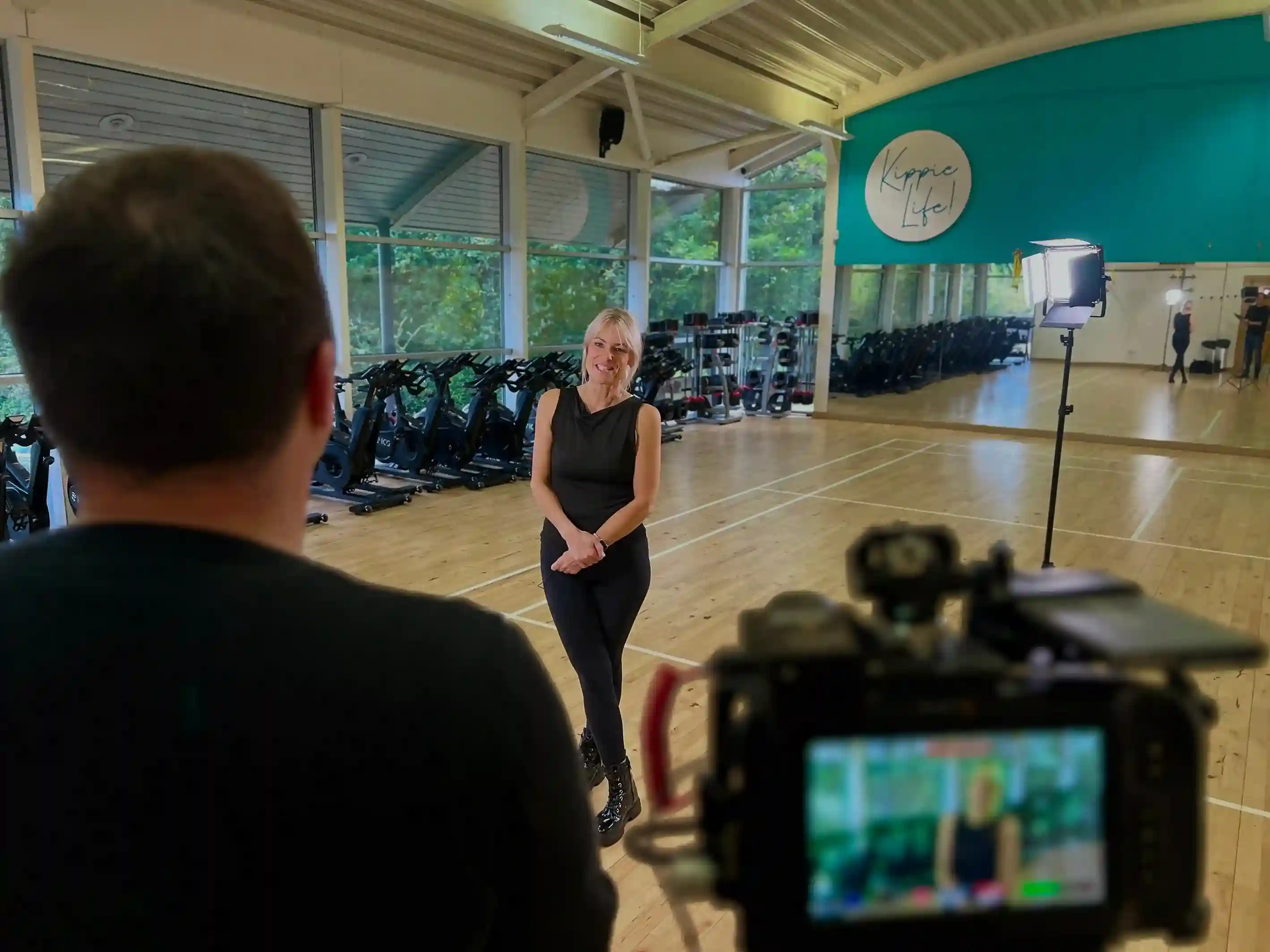
What Is Video Marketing, and When Does It Actually Help a Business?
If you are thinking about using video in your business, one of the first questions is usually not how to make a video, but whether video marketing will actually do anything useful for the business.
That is the more important question, because before thinking about formats, filming, or platforms, it makes far more sense to understand whether video is likely to support a real commercial goal.
Video marketing is often spoken about as though it is automatically a good idea for every business. It is not. Like any marketing activity, it works best when it is tied to a real need, a clear audience, and a job that the format is genuinely good at doing.
A fair short answer is this:
Video marketing tends to help most when a business needs to:
- explain something clearly
- build trust faster
- show proof
- support a research-heavy buying process
- create one strong asset that can be reused in multiple places
It tends to help less when:
- the offer is already very simple
- buyers are not looking for much detail
- there is no clear strategy behind the content
- another format would do the job just as well
That is the part that matters.
Because “video marketing” can mean a lot of different things. A homepage brand film is not the same as a customer testimonial. A product explainer is not the same as a short LinkedIn clip. A founder-led video is not the same as a recruitment piece. They all do different jobs, and they are not equally useful in every situation.
There is also a practical reason video continues to get so much attention. Industry surveys consistently show that marketers associate video with stronger website traffic, increased dwell time, better product understanding, and more lead generation. The exact figures vary slightly depending on the year and source, but the pattern is very clear. Video can be commercially useful when it is used in the right place for the right reason.
This guide is here to make that clearer. It covers:
- what video marketing actually is
- when it genuinely helps a business
- the moments it works best
- when it may not make much difference
What Video Marketing Is
At its simplest, video marketing is using video content to help a business attract attention, explain something clearly, build trust, support sales, or move buyers closer to a decision.
That content might live on:
- your website
- landing pages
- YouTube
- email campaigns
- sales follow-ups
- paid ads
- social channels
The important point is that video marketing is not just making videos for the sake of it. It is using video with a commercial purpose.
That purpose might be to explain a service more clearly, show how a product works, answer common questions, introduce the people behind the business, demonstrate results, reduce uncertainty before a buyer gets in touch, or support visibility during a longer buying journey.
That distinction matters because businesses sometimes invest in video content without being fully clear on what it is meant to do. A video can look polished and still not help much. It may be well shot, well edited, and well presented, but if it does not move the buyer closer to understanding, trust, or action, it is not doing much commercially.
The real question is whether the video makes the business:
- easier to understand
- easier to trust
- easier to choose

When Video Marketing Actually Helps a Business
Video marketing helps most when it solves a real communication problem.
Sometimes that problem is clarity. Sometimes it is proof. Sometimes it is trust. Sometimes it is the fact that buyers need more reassurance before they enquire or buy. And sometimes it is simply that a business wants to create one asset that can be reused across multiple channels rather than constantly starting from scratch.
In other words, video works best when it is being used as the right tool for a specific task, not just because video is seen as something every modern business should be doing.
Below are some of the moments where it tends to help most.
The Moments Video Marketing Works Best
1. When the Product or Service Is Hard to Explain
This is one of the strongest reasons to use video.
Some businesses sell something that can be understood very quickly. Others do not. If your service has several moving parts, if the process is unfamiliar, if the offer sounds too similar to competitors on paper, or if buyers often seem unsure what you actually do, video can help a lot.
That is because video can combine several things at once:
- explanation
- visuals
- tone
- examples
- context
A website paragraph may tell someone what you do, but a well-made video can help them grasp it much faster.
This is often especially useful for:
- technical services
- specialist B2B offers
- complex products
- consultative services
- processes that are hard to picture
It also lines up with one of the most widely repeated points in video marketing research: video tends to improve understanding. That is not surprising. When clarity is the problem, video is often the format that removes confusion fastest.
2. When Buyers Want Proof Before Purchase
Some buying decisions are quick. Others involve more caution.
When people are comparing options carefully, spending a meaningful amount of money, or choosing a supplier they feel they need to get right, they usually want proof before they commit. They do not just want claims. They want reassurance.
This is where video can be very strong.
A testimonial video, case study, product demonstration, or behind-the-scenes piece can give buyers something more convincing than a block of text on its own. It lets them see real people, real outcomes, and real signals that the business is credible.
That matters because buyers are often asking two questions at the same time:
- Can this company do the job?
- Can I trust them to do it well?
Written proof still has a place, of course. But video often carries more weight because people can hear tone, see confidence, and make a faster judgement about whether the business feels genuine.
If proof is an important part of the sale, video is usually worth serious consideration.
3. When the Buying Journey Is Research-Heavy
Video marketing is not only useful at the awareness stage. Quite often, its real value shows up later, when buyers are doing research.
That matters in businesses where people do not make a decision straight away. They compare suppliers, revisit pages, read case studies, ask internal questions, and return to the decision later. In those situations, buyers do not always need more noise. They need better help making sense of what they are looking at.
Video can support that process well.
For example:
- an overview video can help a buyer understand the offer early on
- a service-specific video can answer deeper questions later
- a testimonial can reduce uncertainty close to the point of enquiry
- a founder or team-led piece can help the business feel more established
- shorter clips can keep the brand visible through follow-up marketing
This is where stats around dwell time become useful. It is not just that video can attract attention. It can also keep people engaged for longer when they are actively evaluating. In longer buying journeys, that matters.
If the sales process is short and low-consideration, video may not make much difference here. But if buyers need time, reassurance, and a clearer understanding before moving forward, video can be genuinely useful.
4. When Trust Is a Bottleneck
Sometimes the issue is not traffic. It is trust.
A business may be getting attention, clicks, and even some enquiries, but people still hesitate before taking the next step. Often that comes down to uncertainty. The buyer is not fully convinced yet.
They may be wondering:
- What would it actually be like to work with this company?
- Do they understand businesses like ours?
- Do they feel established?
- Will they be easy to deal with?
- Do they seem credible?
Video can help answer those questions faster than many other formats.
That is because trust is not built only through information. It is also built through impression. People are judging how clearly you communicate, how confident the message feels, whether the team seems genuine, and whether the business feels real rather than generic.
This is why the following often work well when trust is slowing decisions down:
- founder videos
- team-led content
- customer stories
- carefully planned brand films
The point is not to look flashy.
The point is to reduce uncertainty.
5. When the Business Can Repurpose One Asset Many Times
This is one of the most overlooked reasons video marketing can make commercial sense.
Many businesses think of video as one final piece: one film, one upload, one post. But often the biggest value comes from what can be created around that main asset.
One well-planned filming day can lead to:
- a main website video
- shorter social edits
- testimonial clips
- service cutdowns
- vertical versions for paid ads
- snippets for email follow-up
- LinkedIn content
- footage that can be reused later
That changes the economics of the decision.
Instead of paying for one standalone item, the business is creating a bank of assets that can be used across several channels. Done properly, that makes video much more efficient than many people expect.
This only works well when it is planned properly from the start. If the main goal, secondary uses, and distribution channels are all considered early, one production can go much further. At that point, video becomes less of a one-off creative piece and more of a practical content system.
6. When the Goal Matches the Format
This may be the most important point of all.
Video marketing works best when the format suits the job.
That sounds obvious, but it is where many businesses go wrong. They decide they want a video before they have decided what the content actually needs to achieve.
If you need to show how something works, video is often a strong choice. If you need to communicate personality and build trust, it can work very well. If you need a prospect to understand a process quickly, it is often one of the best formats available. And if you want content that can be reused across multiple channels, video can be efficient.
In those situations, video is often linked with things like:
- stronger engagement
- better product understanding
- longer time on site
- more leads
The numbers are useful, but they are not the main point. The main point is that video tends to perform best when it is being used for something it is actually good at.
If the real need would be better served by a written comparison page, a pricing page, a FAQ, or a detailed guide, then video may not be the right primary format. The answer is not “video everywhere”. It is using video where its strengths actually matter.

When Video Marketing Does Not Help Much
Video is useful, but it is not magic.
There are situations where it may not make much difference, or where another format may simply do the job better.
One example is when the offer is already very simple and easy to understand. If a product or service can be explained clearly in a sentence, and the buying decision is straightforward, a strong headline and clear page may already be doing most of the heavy lifting.
It also helps less when buyers are not looking for depth. Some decisions are quick, low-risk, and mostly driven by convenience, urgency, location, or price. In those cases, a video may not influence the decision very much.
Another common problem is lack of strategy. If the thinking is just, “We should probably make a video,” the result is often content that looks acceptable but does little for the business. Without a clear purpose, audience, message, and plan for distribution, video can become expensive content with no real commercial role.
Sometimes the issue is not the absence of video at all. It may be:
- weak positioning
- an unclear offer
- poor website structure
- slow follow-up
- a weak sales process
- inconsistent messaging
Video can support a good strategy.
It cannot replace one.
It also tends to underperform when the business has no plan for how it will be used. Even a strong video will not do much if it is hidden away, posted once, and forgotten.
And in some cases, another format is simply better. A written guide, comparison page, pricing page, FAQ, or case study may be more useful when buyers need to skim information, compare options quickly, or revisit specific details later.
Video should be part of the toolkit, not treated as the answer to everything.
So, Is Video Marketing Worth It?
A better question is usually not whether you should do video marketing.
It is where video would make the biggest difference in the buyer journey.
That leads to better decisions.
If the answer is nowhere obvious, then video may not be the priority right now. But if buyers:
- struggle to understand what you do
- need proof before they trust you
- take time to decide
- hesitate because the business does not yet feel credible enough
then video may be a very strong fit.
That is usually where the value sits.
Final Thought
Video marketing works best when it helps a business communicate something that would otherwise be slower, harder, or less convincing to explain.
It is especially useful when:
- the product or service is difficult to explain
- proof matters
- the buying journey involves research
- trust is slowing decisions down
- one production can create multiple assets
- the format clearly matches the goal
It helps less when:
- the offer is already simple
- buyers are not looking for detail
- there is no strategy behind the content
- another format would do the job more effectively
So before asking, “Should we make a video?”, the more useful question is often:
What exactly do we need this content to help the business do?
That is usually the starting point for deciding whether video marketing is likely to be a smart investment or just more content for the sake of it.
More insights
Read more of the latest updates, press releases and other announcements
 Marketing
Do I Need Video On My Homepage?
 Educational
What Type of Video Does My Business Need?
 Educational
Should I Hire a Marketing Agency or a Video Production Company?
 Educational
How Can Video Help Generate Leads for a Business in the Aberdeen?
 Educational
How Do I Know If Video Is Worth the Investment for My Business?
 Educational
What Questions Should a Business Ask Before Hiring a Video Partner?
EducationalWhat Is Video Marketing, and When Does It Actually Help a Business?
 Educational
How Much Does Business Video Production Cost in Scotland?
 Educational
When AI Misses the Mark: Why Big Brands Are Losing the Human Touch This Christmas
 Marketing
What Apple Can Teach Every Business About Being Seen
contact
Let’s Talk Strategy
Discover how tailored content and smart strategy can help your brand stand out, connect, and grow.