What Questions Should a Business Ask Before Hiring a Video Partner?
A practical guide to choosing the right video partner, knowing what to ask, and avoiding the wrong fit for your business.

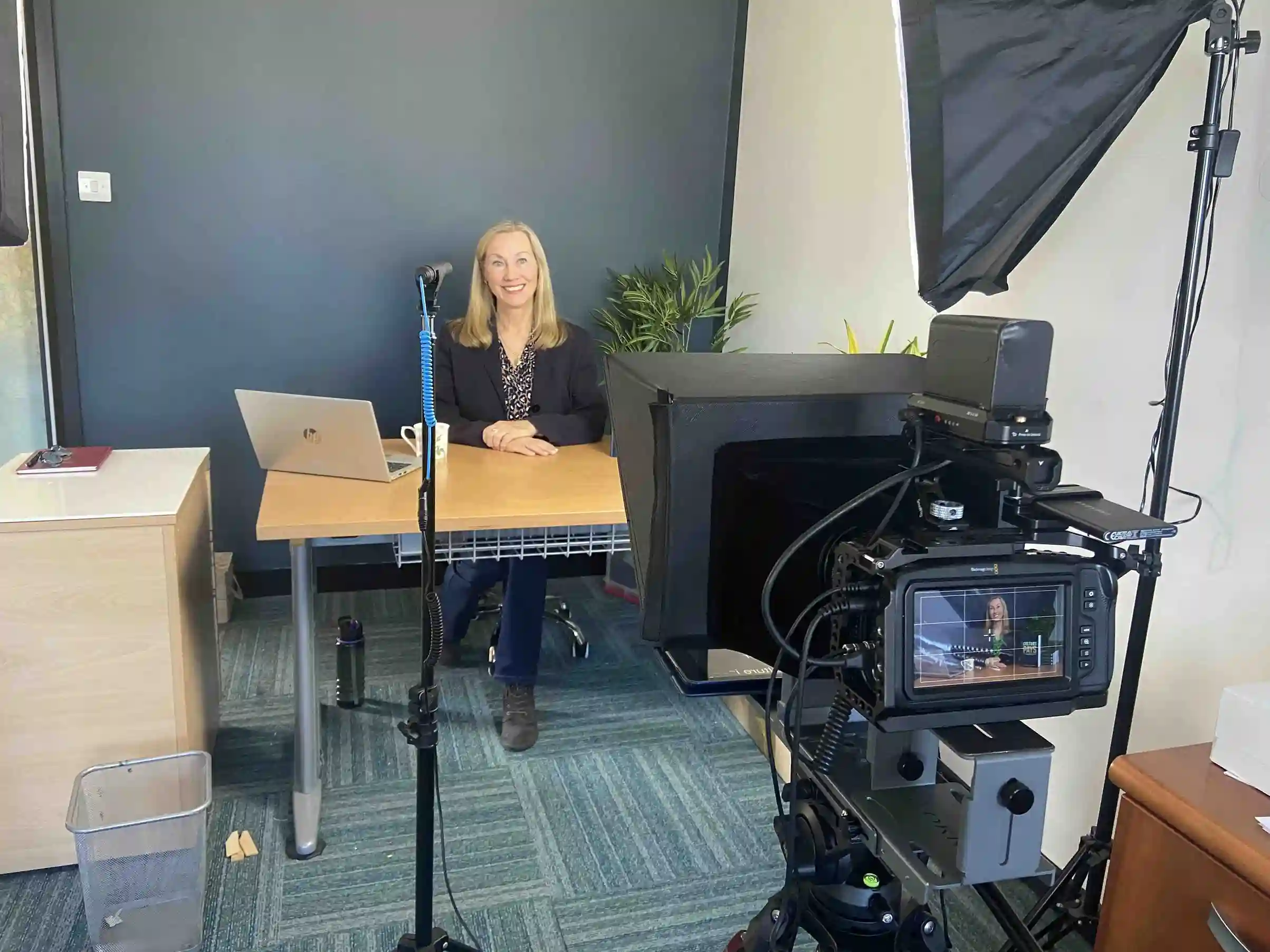
Hiring a video partner is not just about finding someone with a camera.
It is about finding someone who understands what the business is trying to achieve, how the content needs to work, and what kind of support will actually be useful.
That matters because two video companies can look similar on the surface, yet be completely different in how they think, plan, communicate, and deliver.
Some will focus mainly on filming.
Some will focus on creative ideas.
Some will focus on strategy, messaging, and how the content supports the business more broadly.
None of those approaches is automatically right or wrong.
The real question is whether the partner fits what your business actually needs.
A short answer is this:
Before hiring a video partner, a business should ask questions that help clarify:
- whether the provider understands the commercial goal
- how they approach planning and messaging
- what they think the content actually needs to do
- how the process works
- what is included in the price
- whether they feel like the right fit to represent the business properly
That is what this guide covers.
Why These Questions Matter
A lot of businesses start the process by asking the obvious things first:
- how much will it cost?
- how long will it take?
- what kind of videos do you make?
Those are fair questions.
But they are not enough on their own.
Because if you only compare a provider on price, turnaround, or visuals, you can miss the bigger issue: whether they are actually the right partner for the job.
That can lead to problems such as:
- content that looks polished but lacks purpose
- a video that feels generic rather than true to the business
- unclear messaging
- weak planning
- too much being left to guesswork
- disappointment after delivery because the output never solved the real problem
The right questions reduce that risk.
What a Business Is Really Trying to Find Out
Before hiring a video partner, most businesses are really trying to understand five things:
- do they understand what we are trying to achieve?
- can they help us shape the right approach?
- do they seem credible and easy to work with?
- will the process be clear and well managed?
- are we likely to get something that genuinely helps the business?
That is the real test.
The Most Useful Questions to Ask Before Hiring a Video Partner
1. What Do You Think the Video Actually Needs to Do?
This is one of the most important questions.
A good partner should not jump straight into talking about shots, cameras, or editing styles before understanding the commercial purpose.
They should want to know things like:
- what is the goal?
- who is the audience?
- where will the video be used?
- what needs to change after someone watches it?
- what problem is the content trying to solve?
If they cannot talk clearly about purpose, they may be focused too heavily on production alone.
That does not always mean they are bad at what they do. It just means they may not be the right fit if your business needs something more strategic.
2. Have You Worked With Businesses Like Ours Before?
This is not about asking for identical past clients.
It is about understanding whether they are comfortable with the kind of communication challenge your business has.
For example:
- do they understand longer buying journeys?
- can they handle technical or specialist subjects?
- have they worked with service-led businesses, product-led businesses, or B2B companies?
- do they know how to make a business feel credible and clear rather than just visually interesting?
Relevant experience matters because some businesses are naturally harder to explain than others.
The partner does not need to have worked in your exact niche, but they should be able to show that they understand how to communicate value in a way that fits your world.
3. How Do You Approach Planning Before Filming?
A lot of the difference between an average video and a useful one happens before filming starts.
That is why this question matters.
You want to understand:
- how they prepare
- whether they ask the right questions
- how the message gets shaped
- whether they help with structure or scripting
- how filming is planned around the business goal
If the answer is too casual or too vague, that is worth paying attention to.
A strong video partner should usually be able to explain how planning works and why it matters.
4. How Will You Help Us Get Clear on the Message?
This is especially important if your business is hard to explain.
Many businesses do not just need a video partner. They need help getting clearer on what should actually be said.
That might involve:
- simplifying the offer
- identifying what matters most to the audience
- deciding what should be left out
- shaping the key message
- making sure the content sounds like the business, not generic marketing language
If a partner expects you to arrive with everything already fully formed, that may be fine for straightforward projects. But for many businesses, message support is a major part of the value.
5. What Is Included in the Price?
This should always be asked clearly.
Not just the headline number, but what sits behind it.
That includes things like:
- planning
- filming time
- number of crew
- editing
- subtitles
- graphics
- amends
- travel
- different versions
- delivery formats
This matters because two quotes can look very different while covering very different scopes.
A lower quote is not automatically worse.
A higher quote is not automatically better.
The real question is whether you are comparing like for like.
6. How Do You Handle Revisions and Feedback?
This is a practical question, but an important one.
You want to know:
- how feedback is gathered
- how many revision rounds are included
- how changes are managed
- what happens if multiple stakeholders are involved
- whether the process is likely to stay efficient or become messy
A clear answer here is often a good sign that the partner has a solid process and knows how to manage expectations.
7. How Will the Content Be Used After It Is Delivered?
This is one of the questions businesses often forget to ask.
The partner should be thinking beyond the final exported file.
For example:
- is the video for the website, LinkedIn, email, paid ads, or all of them?
- should shorter versions be planned from the start?
- can one filming day create multiple assets?
- is the content being designed for one use or several?
This matters because a well-planned project can often create much more value than one standalone video.
8. What Makes Your Approach Different?
This question can reveal a lot.
Not because you want a big sales pitch, but because the answer usually shows how the provider sees their role.
Some may focus on creativity.
Some may focus on speed.
Some may focus on process.
Some may focus on storytelling, audience understanding, and commercial purpose.
The point is not to hear the most impressive answer.
It is good to hear whether their approach matches what your business actually needs.
9. Who Will Actually Be Working on the Project?
This is worth asking early.
You want to know:
- who is leading the project
- who will be involved in filming
- who handles editing
- who you will speak to throughout
- whether the work is done in-house or outsourced
- who is responsible if anything changes
This helps avoid confusion later and gives you a better sense of how the relationship will work in practice.
10. Do You Think Video Is Even the Right Answer Here?
This may be the most useful question of all.
A strong partner should be able to answer honestly.
Sometimes video is clearly the right tool.
Sometimes it is not.
Sometimes the problem is really:
- weak messaging
- an unclear offer
- poor website structure
- lack of proof
- inconsistent content
- a wider strategic issue
If a provider is willing to say that video may not be the priority yet, that is often a very good sign.
It shows they are thinking about what is right for the business, not just what they can sell.
What Good Answers Usually Sound Like
You do not need perfect answers.
But good answers usually sound:
- clear
- thoughtful
- commercially aware
- honest
- specific
- easy to follow
They should make you feel that the provider has:
- listened
- understood the business
- thought about the problem properly
- can explain their process without hiding behind vague language
Warning Signs to Watch For
There are a few things worth being cautious of.
The Conversation Jumps Straight to Filming
If everything becomes about camera angles and visuals before the goal is clear, that can be a warning sign.
The Process Feels Vague
If they cannot explain how the project will be shaped, reviewed, and delivered, the experience may become harder than it needs to be.
The Message Is Treated as Your Problem Alone
Some businesses do arrive with a clear brief. Many do not. If your business is harder to explain, message support matters.
The Quote Is Clear, but the Thinking Is Not
A neat number does not mean much if the reasoning behind the approach feels thin.
Everything Sounds Like a Sales Line
If every answer feels polished but not grounded, trust your instinct.
What the Right Fit Usually Feels Like
The right video partner will not just talk about what they can make.
They will help you think about:
- what the content is there to do
- what the audience needs to understand
- how the message should come across
- what level of production is actually needed
- how the work can support the business beyond one upload
That does not mean they need to be overcomplicated.
It just means the relationship should feel purposeful, not transactional.
Final Thought
Hiring a video partner is not just a production decision.
It is a communication decision.
So before asking who has the best showreel, the better question is often:
Who seems most likely to understand what our business needs this content to do?
Because when the thinking is right, the video has a much better chance of doing its job properly.
More insights
Read more of the latest updates, press releases and other announcements
 Marketing
Do I Need Video On My Homepage?
 Educational
What Type of Video Does My Business Need?
 Educational
Should I Hire a Marketing Agency or a Video Production Company?
 Educational
How Can Video Help Generate Leads for a Business in the Aberdeen?
 Educational
How Do I Know If Video Is Worth the Investment for My Business?
EducationalWhat Questions Should a Business Ask Before Hiring a Video Partner?
 Educational
What Is Video Marketing, and When Does It Actually Help a Business?
 Educational
How Much Does Business Video Production Cost in Scotland?
 Educational
When AI Misses the Mark: Why Big Brands Are Losing the Human Touch This Christmas
 Marketing
What Apple Can Teach Every Business About Being Seen
contact
Let’s Talk Strategy
Discover how tailored content and smart strategy can help your brand stand out, connect, and grow.